wolf gold demo
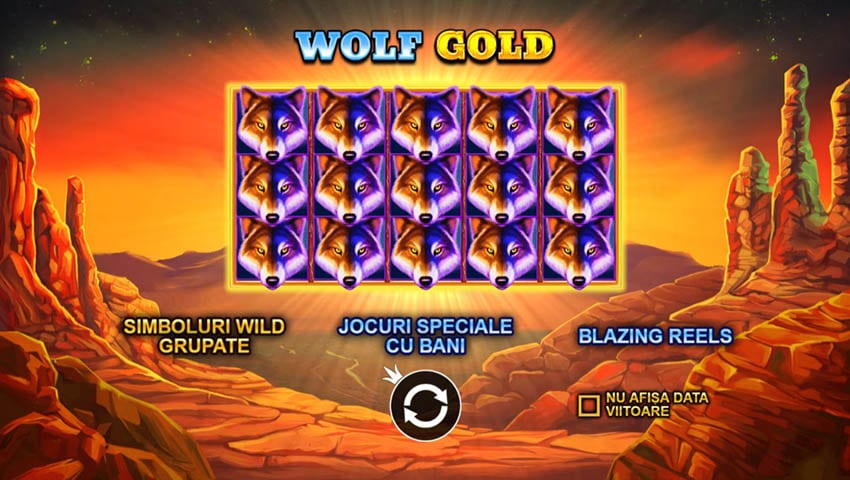
Virtual gaming experiences have evolved rapidly, prompting digital entertainment enthusiasts to seek out risk-free exploration methods. Among these, the Wolf Gold Demo has seen a notable surge in interest across modern online entertainment communities. Players and casual observers are increasingly looking to test mechanics before deciding how to spend their leisure time.
This trend reflects a broader shift toward informed digital entertainment consumption, where transparent gameplay models take priority. Understanding free-play variations allows audiences to evaluate interface functionality, visual themes, and payout dynamics without financial commitment. As interactive titles adapt to changing platform standards, demo modes offer an accessible snapshot of classic Western-themed reels.
Why It Is Gaining Attention in the US
Online gaming discussions in the United States increasingly focus on clarity, accessibility, and responsible participation. Many consumers want to explore how classic multi-reel titles operate within simulated environments before engaging further. The Wolf Gold Demo provides an avenue to observe these features in action without spending actual funds.
Regulatory awareness and digital literacy have grown substantially among domestic audiences in recent years. Players prefer familiarizing themselves with virtual payout lines, wildlife-inspired aesthetics, and timing mechanisms beforehand. Consequently, trial versions have gained traction as practical tools for evaluation rather than high-stakes participation.
Additionally, cross-platform mobile compatibility has expanded across various online entertainment portals. Modern browser capabilities allow users to test game performance on tablets and smartphones effortlessly. This seamless access fuels steady curiosity among casual users exploring interactive software options.
How the Wolf Gold Demo Works
At its core, a demo version functions as a complete replica of the primary title using simulated credits. When launching the interface, users receive a predetermined balance of non-monetary tokens. These virtual credits are used to test line configurations and evaluate potential stake adjustments.
The visual layout generally features standard five-reel by three-row formatting set against a desert canyon backdrop. Symbols include iconic North American wildlife such as eagles, stallions, mountain lions, and buffalo alongside traditional card values. A wolf symbol functions as the primary wild substitute, connecting matching paths across designated paylines.
Specialized gameplay features operate identically to standard retail formats. Landing specific scatter symbols initiates a sequence of free spins that often merge the center reels into giant symbols. Similarly, collecting moon-shaped tokens triggers a respin feature where players attempt to fill the grid with value-bearing icons.
Because the balance consists solely of demonstration tokens, outcomes do not yield real-world currency. Instead, this sandbox environment demonstrates the underlying variance and frequency of standard bonus rounds. Users can adjust pacing, inspect comprehensive paytables, and reset credit balances simply by refreshing their browser screen.
Common Questions About the Wolf Gold Demo
What Is the Difference Between the Wolf Gold Demo and Real-Play Modes?
The core difference lies entirely in the nature of the currency used during the session. In the demonstration version, all bets and returns are executed using fictional credits provided by the platform. The standard real-play mode requires genuine deposits, and any resulting payouts reflect tangible monetary value.
Can Virtual Credits Be Converted into Real Currency?
Virtual credits accumulated in a demo title hold no real-world financial value. They are programmed strictly for educational and entertainment benchmarking purposes. Refreshing the platform interface usually resets the virtual wallet back to its original baseline figure.
Do Demo Versions Require Software Downloads or Account Registration?
Most modern browser-based demonstrations operate using standard web technology that requires no local file installation. Many authorized gaming directories provide direct access without requiring personal details or formal sign-up procedures. Users can simply load the interface on any compatible desktop or mobile browser.
Are the Odds in the Demonstration Mode the Same as the Standard Game?
Regulated software providers are held to strict testing standards that enforce identical mathematical structures. The random number generation algorithms powering demo reels match those utilized in standard operational modes. This uniformity ensures that observed hit frequencies and feature triggers remain authentic.
Opportunities and Realistic Risks
Exploring a free-to-play interface presents several practical educational opportunities for curious participants. Users can study reel behavior and volatility metrics without encountering financial exposure. This risk-free setting allows individuals to build realistic expectations regarding feature intervals and standard payout cycles.
However, psychological factors present subtle behavioral risks that users should acknowledge. Extended practice in a simulated mode can sometimes normalize aggressive risk-taking behaviors over time. When balance deductions carry no consequence, individuals might develop habits that do not translate well to real-world budgeting.
Furthermore, demo sessions do not replicate the authentic emotional dynamics associated with actual stakes. The total absence of risk can create a skewed perception of personal discipline and probability. Recognizing these behavioral differences ensures users maintain healthy, grounded perspectives toward digital gaming.
Common Misconceptions
One frequent misconception is that demo games feature elevated payout frequencies to artificially entice users. Licensed digital platforms operate under technical certifications requiring identical mathematical models across both free and paid variations. The random number generator runs independently of player session types or promotional status.
Another common myth involves predicting patterns or identifying hot cycles on virtual reels. Every individual spin operates as an independent mathematical event determined by programmatic algorithms. Previous outcomes have no statistical bearing on subsequent results, regardless of how long a session lasts.
Some users also mistakenly believe that mastering a trial game unlocks predictable success elsewhere. While practice clarifies rules and navigation, it does not alter the fundamental variance built into the software. Chance remains the sole operating factor across every single reel rotation.
Who This Topic Is Relevant For
This subject holds clear relevance for newcomers seeking a zero-pressure introduction to reel-based entertainment. It provides a safe environment to learn payline mechanics, icon hierarchies, and secondary bonus sequences. Beginners can establish baseline understanding without navigating payment setups or financial commitments.
Casual entertainment seekers also benefit from exploring trial editions of well-known titles. Many users appreciate the graphical design, audio landscape, and thematic presentation purely as recreational media. For these audiences, the experience serves as an engaging interactive pastime rather than a wagering activity.
Finally, analytical gaming enthusiasts utilize demo titles to track feature hit rates and observe general volatility. Testing simulated rounds allows data-oriented individuals to assess mechanical loops systematically. This structured approach helps users compare different gaming architectures with objective information.
Learning More and Staying Informed
Staying informed about interactive digital software ensures a safe and balanced recreational experience. Users should regularly consult independent review resources to compare game mechanics, volatility ratings, and regulatory standards. Evaluating third-party audits and software documentation provides a clear picture of how digital titles function.
Before engaging with any gaming platform, take time to verify site credentials and responsible gaming resources. Setting clear boundaries and treating interactive games strictly as optional entertainment promotes sustainable digital habits. Continuous education remains the most effective tool for navigating modern online entertainment spaces responsibly.
Conclusion
The Wolf Gold Demo illustrates how simulated game environments provide valuable utility for modern digital consumers. By mirroring full-feature mechanics without financial risks, it supports player education, platform transparency, and balanced recreational habits. Understanding how these platforms operate enables users to approach interactive entertainment with clarity and realistic expectations.