agen betting bola deposit qris
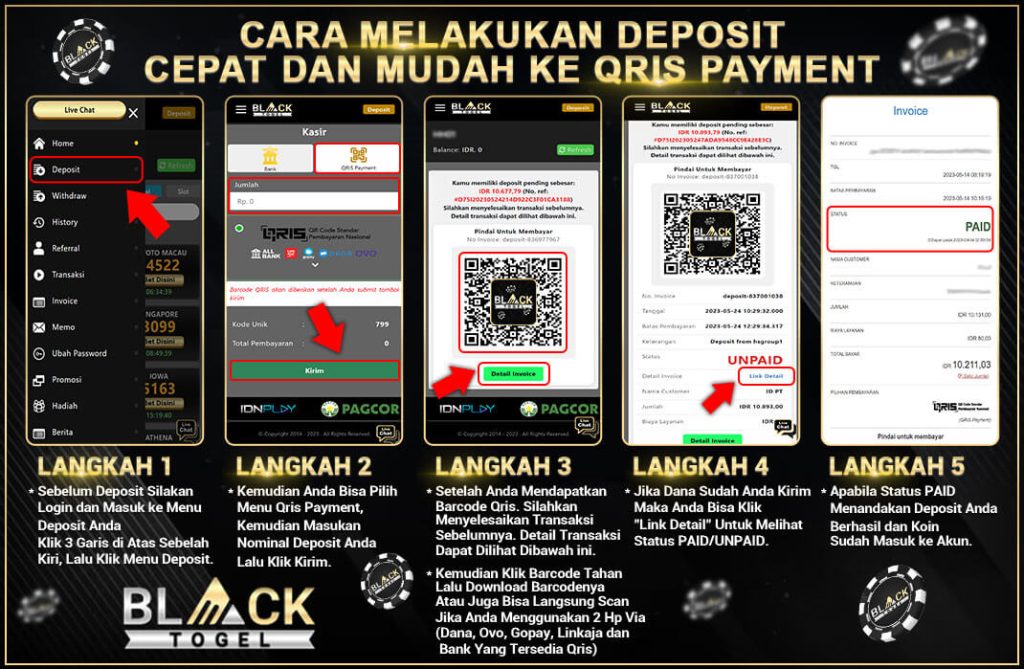
The intersection of financial technology and global sports entertainment continues to reshape how transactions occur worldwide. Searches for terms like agen betting bola deposit qris highlight a growing interest in modern, friction-free payment methods within international sports coverage and interactive digital platforms.
As global consumers demand faster mobile interactions, regional digital payment standards are gaining international attention. QRIS, an interoperable QR code standard, has emerged as a focal point for real-time digital settlement across various online services. Understanding this framework provides valuable insight into how emerging market payment tools influence digital commerce trends across the globe.
Why the Trend Is Gaining Attention in the US
The US financial technology sector closely monitors alternative payment methods (APMs) that operate outside traditional credit card networks. Systems associated with an agen betting bola deposit qris model demonstrate how standardized digital wallets can streamline digital transactions with minimal transaction friction.
American payment processors and regulatory analysts frequently look at overseas real-time gross settlement systems to study user adoption patterns. Interoperable QR systems provide an alternative to traditional credit card processing, offering near-zero latency and reduced intermediary fees.
Furthermore, sports analytics and entertainment enthusiasts in the US follow international markets to monitor technical infrastructure trends. Observing how international platforms implement QR solutions helps developers evaluate scalable transaction architectures for high-traffic environments.
How the Technology Works for Beginners
The technical architecture behind QR-based platform deposits relies on centralized interoperability standards. Instead of manually entering lengthy checking account numbers or credit card details, users interact with a secure, system-generated matrix barcode.
When an individual initiates a transaction on a compatible interface, the system generates a dynamic QR code linked to a specific transaction identifier. The user opens their preferred mobile banking or digital wallet application and scans the code directly using a smartphone camera.
Once scanned, the user's banking platform securely verifies the payment details and prompts biometric or PIN authorization. Upon approval, funds transfer instantly through a national payment gateway directly to the receiving merchant account. This process eliminates manual data entry, substantially reducing the risk of input errors and data interception.
Common Questions About QR-Based Platform Deposits
What Does the QRIS Framework Represent?
QRIS stands for Quick Response Code Indonesian Standard, a standardized payment system developed by central financial authorities. It allows diverse digital wallets and banking applications to process transactions through a single unified code. This standard ensures that users are not locked into one specific proprietary payment network.
Why Do Global Entertainment Platforms Implement QR Standards?
Platforms prioritize systems like agen betting bola deposit qris because they solve issues related to delayed clearing times. Traditional bank transfers often take hours or days to reconcile, whereas QR-based settlements clear within seconds. Additionally, merchant processing fees are generally much lower than conventional credit card merchant rates.
How Secure Are QR-Based Digital Transactions?
QR-based payments offer high security because sensitive account credentials are never shared directly with the receiving merchant. The entire transaction is encrypted and authorized locally within the user's own regulated banking or digital wallet application. Users maintain full control over the final confirmation step using two-factor or biometric authentication.
How Are Cross-Border Currencies Handled?
Cross-border transactions typically depend on real-time foreign exchange integration handled by participating financial institutions. If a transaction originates from an account with a different currency, the network calculates the conversion rate at the moment of authorization. Users generally review the converted total before finalizing the transfer.
Opportunities and Realistic Risks
The adoption of standardized QR payment gateways presents distinct advantages alongside specific structural challenges that users and observers must consider carefully.
Key Opportunities
- Instant Transaction Settlement: Funds are credited almost instantaneously, ensuring immediate availability without multi-day settlement windows.
- Reduced Transaction Costs: By bypassing multi-tiered credit networks, digital QR standards help keep processing overhead low for merchants and consumers.
- Enhanced Data Privacy: Platforms receive confirmation tokens rather than raw financial credentials, reducing systemic vulnerability to payment database breaches.
- Broad Accessibility: Any user with a camera-enabled smartphone and a compatible digital banking application can utilize the system seamlessly.
Realistic Operational Risks
- Regulatory Fragmentation: Cross-border entertainment payments remain subject to complex, shifting legal frameworks that vary significantly by state and nation.
- Irreversible Transfers: Real-time push payments offer limited recourse or chargeback protection compared to traditional credit card networks once authorized.
- Cybersecurity Vectors: Malicious actors may attempt to manipulate dynamic links through deceptive social engineering or unofficial application portals.
- Currency Volatility: Cross-border settlements may incur unexpected exchange rate markups if handled through secondary conversion intermediaries.
Common Misconceptions to Address
A frequent misconception is that transactions through an agen betting bola deposit qris platform are entirely anonymous. In reality, QRIS operates under regulated central banking guidelines that require strict identity verification for all participating domestic accounts. Every payment leaves a traceable audit trail through the originating financial institution.
Another common misunderstanding is that all QR codes operate identically across the globe. While the underlying matrix technology is universal, regional regulatory standards govern routing, settlement times, and clearing networks differently. A QR code generated under one national framework cannot always be processed natively by unrelated foreign payment apps without cross-border integration.
Finally, some assume that the rapid processing speeds compromise verification integrity. In practice, modern push-payment systems use automated real-time fraud monitoring algorithms directly at the banking gateway layer. These checks occur instantaneously before any funds leave the source account.
Who This Topic Is Relevant For
This topic holds broad relevance across several distinct digital industries and observational demographics.
- Fintech Professionals: Systems engineers and analysts tracking real-time alternative payment rails can evaluate operational efficiency in high-frequency consumer sectors.
- Digital Commerce Researchers: Economists studying international consumer behavior benefit from analyzing how mobile-first payment models achieve widespread adoption.
- Global Sports Fans: Viewers tracking international leagues and associated media platforms gain clearer visibility into regional operating structures and platform mechanics.
- Compliance and Security Specialists: Risk managers monitoring anti-money laundering and consumer protection frameworks find useful case studies in cross-border payment integration.
Best Practices for Evaluating Payment Options
- Stay informed by reviewing independent technological audits and financial compliance updates regarding digital platforms.
- Compare processing terms, exchange rates, and identity verification requirements before interacting with unfamiliar cross-border networks.
- Ensure all applications utilized for digital transactions are downloaded from verified, official application marketplaces.
- Prioritize payment methods that provide clear transaction logs and established dispute resolution mechanisms.
Conclusion
The rising interest in an agen betting bola deposit qris model highlights an ongoing shift toward real-time, low-friction mobile payment integration worldwide. By standardizing digital wallet interactions through centralized QR architecture, platforms improve settlement speeds and user data privacy while reducing transaction fees.
At the same time, users and analysts must recognize the operational risks involved in cross-border push payments, including limited chargeback options and evolving regulatory environments. As global financial technology continues to converge, understanding the functionality and safeguards of these alternative payment rails remains essential for informed digital participation.